Unlocking Learning: How Strategy Games Revolutionize Educational Engagement
In today's world, where technology is a constant part of our lives, the way we learn is transforming rapidly. Among the various innovative methods emerging in education, strategy games stand out as a unique way to engage students and enhance their learning experiences. But how do these games specifically shape our educational landscape? Let's dive into the fascinating world of educational gaming and uncover its potential.
The Rise of Educational Games
Educational games are designed with the primary goal of facilitating learning. They provide interactive experiences that traditional textbooks simply can't offer. According to recent studies, students are more likely to engage and retain information when they are learning through play. Strategy games uniquely facilitate problem-solving, critical thinking, and decision-making skills.
Benefits of Strategy Games in Education
- Enhances Problem Solving: Players often face complex scenarios requiring strategic thinking.
- Encourages Collaboration: Many strategy games require teamwork and communication.
- Improves Retention: Engaging play often leads to improved memory retention of concepts.
- Fosters Creativity: Players can create their own strategies and solutions to advance in the game.
Best Level 6 Base Clash of Clans Strategies
For those familiar with Clash of Clans, level 6 bases can be a challenging aspect of gameplay. Here’s a simple table illustrating some effective strategies:
| Strategy | Tips |
|---|---|
| Defense Focused | Place defensive structures at corners to protect resources. |
| Resource Management | Balance between upgrading buildings and training troops. |
| Attack Plans | Plan your attacks strategically to earn trophies and loot. |
Transformative Learning Experiences

Imagine a classroom where students are excited to learn because they’re immersed in a competitive environment. Strategy games can turn mundane subjects into compelling stories. Historical events, for example, can be reenacted in a game format to help students understand the material better.
Case Study: The Impact of Delta Force
Delta Force, a tactical shooter game, has been used in various educational settings to teach strategy and teamwork. Players work in groups to complete missions, encouraging collaboration and strategic planning. Research indicates that such environments can increase engagement and motivation among students, demonstrating how games can teach beyond textbooks.
Incorporating Strategy Games into Curriculum
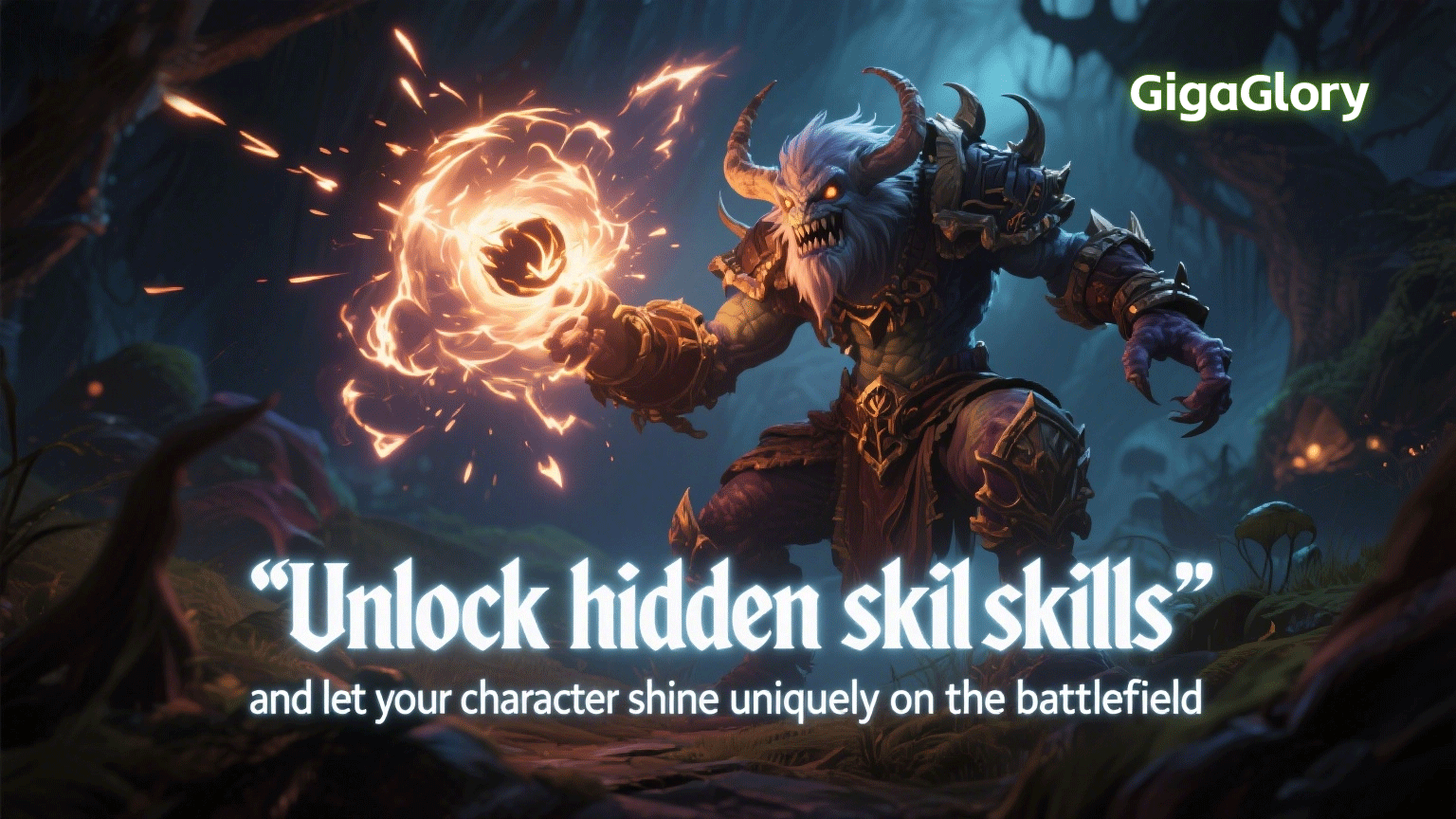
So, how can educators integrate strategy games into their classes effectively? Here are some key points:
- Identify learning objectives that align with the game content.
- Encourage collaborative play and discussions about strategies.
- Use games as a tool for assessing students' understanding.
- Provide a diverse range of games to cater to different learning styles.
The Road Ahead: Future of Educational Gaming
As technology continues to evolve, so will the potential for educational games. With advancements in virtual reality (VR) and augmented reality (AR), the immersion factor will enhance further. Imagine students walking through historical sites or complex problem-solving scenarios in a fully interactive VR environment. It's an exciting prospect!
Conclusion
In conclusion, strategy games hold immense potential to revolutionize educational engagement. They not only make learning fun but also reinforce critical skills that students need in today's world. As educators and institutions explore these innovative approaches, the future of learning looks brighter. Integrating play can nurture a more engaging, stimulating, and effective educational environment for all learners.